Short answer: Building a custom home in Michigan follows the same order almost every time: check the lot, design and price the home, get permits, complete site work and the foundation, build the home with inspections along the way, then receive a certificate of occupancy and move in. Most surprises — and most extra cost — come from the lot, so check it before you buy.
1. Check the Lot Before You Buy
- Zoning and setbacks: confirm a home of the size you want fits the lot.
- Water and sewer: if public utilities aren’t available, the lot needs approval from the county health department for a well and septic system. Soils that don’t pass a septic evaluation can limit or rule out a lot.
- Soils, slope and drainage: wet ground, high groundwater or steep grades add excavation, fill or drainage cost.
- Access and utilities: the driveway may need a road commission permit, and bringing electric and gas to a rural lot can be a real cost.
- Restrictions: subdivision covenants or association rules can set minimum home size, materials or style.
2. Design the Home and Set the Budget
Work with an architect or designer, or through a design-build contractor, to develop floor plans and selections. Price the design as it develops so the plan stays in budget, and include the site work — excavation, utilities, driveway and grading — which is easy to underestimate. See design-build vs. design-bid-build.
3. Financing
Most custom homes are financed with a construction loan that pays the builder in stages as work is completed and inspected. Lenders usually want final plans, a fixed contract price and a schedule.
4. Permits
The building permit comes from the city, township or village (or the county where it runs the building department). Expect separate permits for electrical, plumbing and mechanical work, plus a soil erosion permit when the earth disturbance is an acre or more or within 500 feet of a lake or stream. Michigan law also requires calling MISS DIG 811 at least three business days before digging.
5. Site Work and Foundation
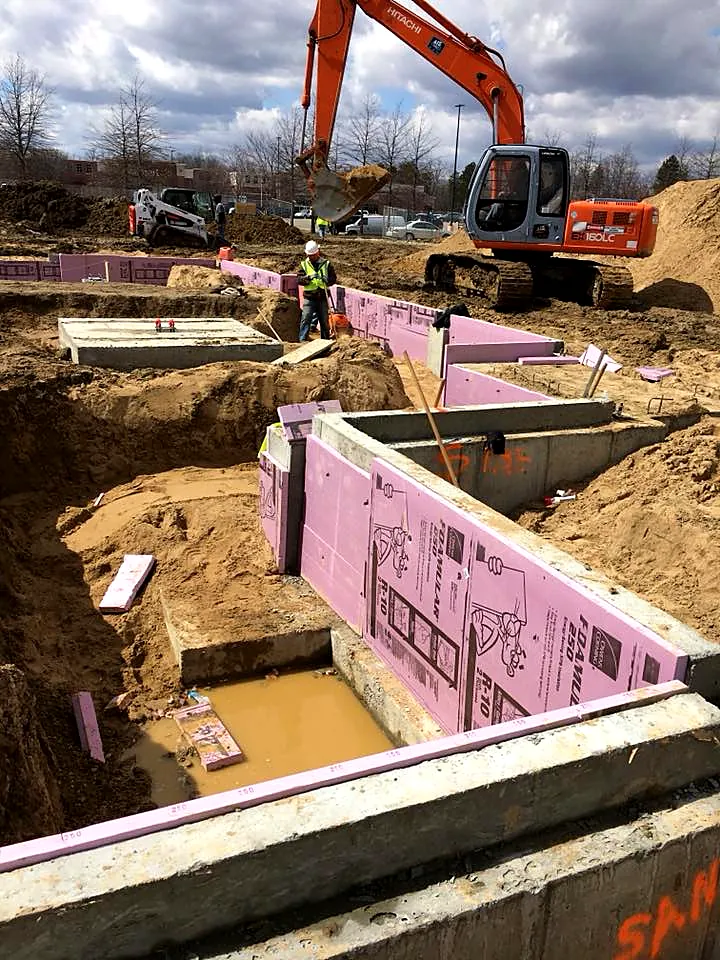
The lot is cleared, the basement or foundation is excavated, footings and foundation walls are poured, and the well, septic or utility connections are installed. Good site work — correct elevations and drainage away from the house — prevents wet basements later. See excavation and grading.
6. Construction and Inspections
Framing, roofing, windows, and rough plumbing, electrical and mechanical work come next, each inspected before walls are closed. Then insulation, drywall, cabinets, flooring, fixtures and finishes. Making selections early keeps long-lead items such as windows and cabinets from holding up the schedule.
7. Final Inspection and Move-In
After final inspections, the building department issues a certificate of occupancy. The driveway, final grading and seeding finish the site, and a walkthrough produces a punch list of final items before move-in.
Questions to Ask a Custom Home Builder
- Will you check the lot before I buy it?
- Is site work included in your price, and who performs it?
- Who supervises the job day to day?
- How do you handle changes and allowances?
- Do you pull the permits and schedule inspections?
RBF Construction builds custom homes and additions across Genesee County, Oakland County and Southeast Michigan, with its own crews handling the excavation and site work. Talk with RBF about your home.
Sources
- Michigan EGLE: soil erosion and sedimentation control overview
- MISS DIG 811: frequently asked questions
- Genesee County Road Commission: driveway permits
About This Guide
Written by the team at RBF Construction, Inc., a licensed and insured general contractor and site developer in Flint, Michigan, serving Genesee, Oakland and Southeast Michigan. Rules vary by community, so confirm requirements with your local building department. Questions? Call 810-938-8498.